The Byrne Family
Told by JoAnn and David (Parents)
“When we picked Nick up, he was happy to see us—but he was also calm and peaceful. When your son is nonverbal, you learn to pay attention to what his face, his body, and his demeanor are telling you. We knew Nick had been happy.”
Our son Nick has always had a way of surprising us.
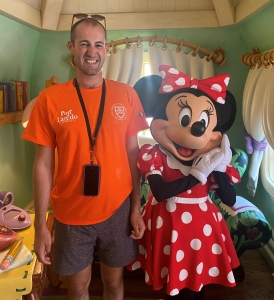 Nick is 28, the third of our four children, and he is autistic and nonverbal. Today, he is what we affectionately call our “gentle giant”—calm, active, and an absolute joy. But we don’t take that joy for granted. There were some very difficult years along the way.
As a child, Nick struggled with severe self-injurious behavior, including head banging. Keeping him safe was a constant concern, and finding the right school and support was incredibly difficult. When Nick was 14, our family made the enormous decision to move to New Jersey in search of better opportunities for him.
It was a big upheaval. But over time, with a new school system, a little medication, and the maturity that came with getting older, we began to see Nick change. Today, when we look at the gentle young man he has become, we can only describe it as a miracle of God.
And Nick is busy.
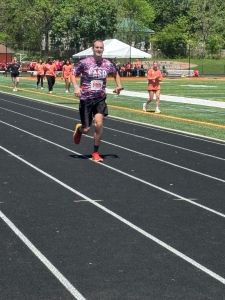
He attends an adult day program Monday through Friday, but some of his favorite activities happen outside those hours. He runs about twice a week—with one of us riding a bike alongside him—works out weekly with an adaptive fitness trainer, and ice skates from September through May. He has even completed sprint triathlons with his sister by his side.
But life with Nick isn’t all big adventures. Sometimes joy looks like an ordinary afternoon in the kitchen. Not long ago, he came home from his day program and made banana bread with us, happily working away beside us. Those simple moments mean a lot.
Our faith has also been central to Nick’s story. When we arrived in New Jersey, our church, The Chapel, had only a small buddy system for people with disabilities. We approached the church because we simply wanted to be able to bring Nick with us on Sundays.
They embraced him—and something beautiful grew from there. Over the years, the ministry expanded, eventually adding Ark Two, a space specifically for young adults. Nick goes every Sunday and loves it. We sometimes say that Nick helped inspire that growth. He has had quite a ministry without saying a word.
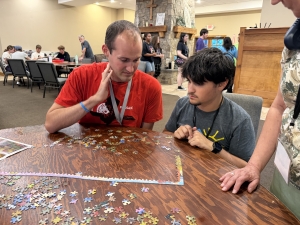
It was through The Chapel that we learned about Jill’s House. This June, Nick attended his first Jill’s House adult respite weekend at Camp Shiloh. He had visited previously and seemed nervous, so we weren’t sure how the actual weekend would go. But when he returned, his whole demeanor seemed to say, Okay, this is cool.
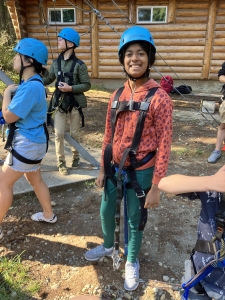
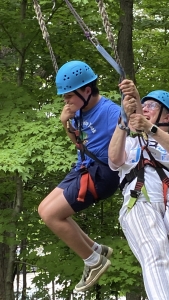
The Jill’s House team had learned that Nick loves puzzles, so they had one waiting for him when he arrived. It gave him a familiar way to settle in before diving into the kinds of activities he enjoys most. Nick loves being active, and over the weekend he swam, climbed the rock wall, and even took on the zipline.
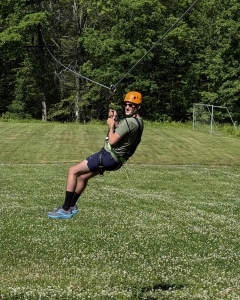 And because Nick was comfortable, we were comfortable. We often say, “When he’s calm, I’m calm.” The Jill’s House team sent us updates and photos throughout the weekend, reassuring us that he was doing well. That gave us the freedom to do something we normally wouldn’t: spend a day away on a winery train through the Delaware Water Gap.
When we picked Nick up, he was happy to see us—but he was also calm and peaceful. When your son is nonverbal, you learn to pay attention to what his face, his body, and his demeanor are telling you. We knew Nick had been happy.
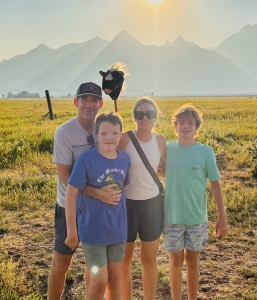
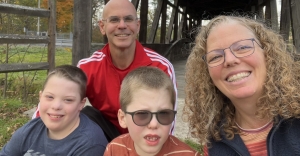
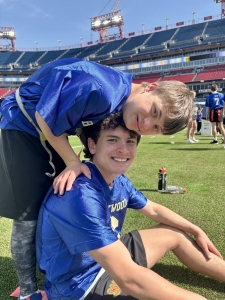 My husband and I have three boys: Graham, Nathaniel, and Jude. Jude is 18, has Down syndrome, and is a junior in high school. He loves sports, being around people, and—although I didn’t fully realize it until Jill’s House—helping others.
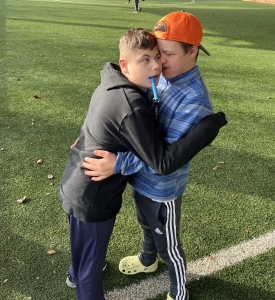 And then one of Jude’s teachers told me she had volunteered with Jill’s House and said, “It’s fantastic.” That was what I needed to finally let go.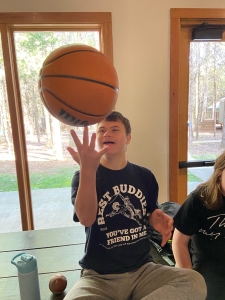
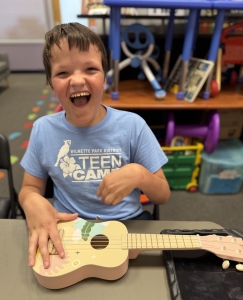 If you meet my son Henry, the first thing you’d notice isn’t his diagnosis. You’d notice his smile.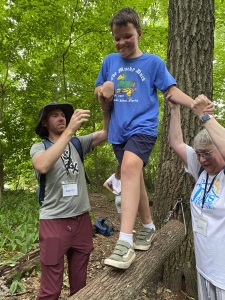
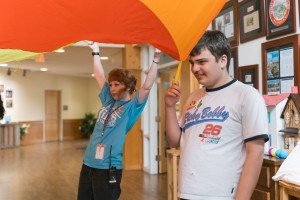 As parents of a child with profound autism and intellectual disability, we had grown accustomed to settling. Most special needs programs meant well, but often felt like second-class experiences—converted office buildings, outdated facilities, endless paperwork, and the constant feeling that families like ours should simply be grateful for whatever was available.
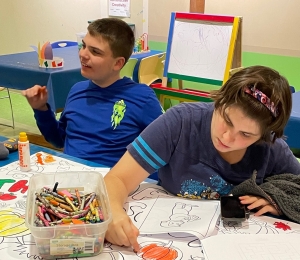 One of our favorite possessions sits in a four-inch binder on our living room couch. Inside are years of “My Stay” summaries—one from nearly every visit Chris has ever made. The binder began as a simple folder, but it has grown along with his memories. Today, he flips through those pages constantly, reading about adventures with friends, favorite staff members, funny things that happened, and all the people who were “blessed to care for him.” Those reports aren’t just records of his visits—they’re reminders that he is known and truly and deeply loved.
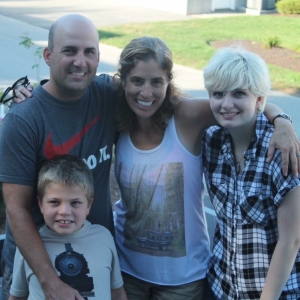 Like many parents raising a child with significant needs, our lives revolved around appointments, therapies, school meetings, paperwork, and constant vigilance. Before Jill’s House, we honestly wondered if we’d ever have another weekend away together. Having trusted respite allowed us to reconnect as husband and wife, spend meaningful time with our daughter, and even care for Todd’s parents during his father’s battle with dementia. Knowing Chris wasn’t simply being supervised—but was genuinely happy—made all the difference.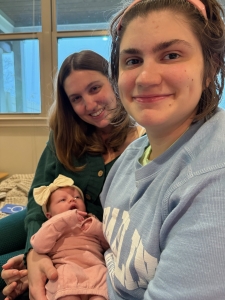
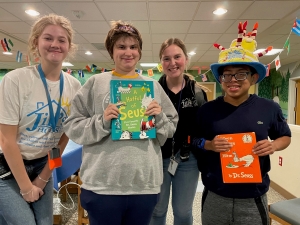 Maddie always looks forward to telling us—and her sister, who now lives in Tennessee with her family—all about her stays, the people she spent time with, and the fun they had together. She usually sends us a text while she’s there to share something fun that happened. Then, the next morning, she walks out with what we affectionately call her “little entourage”—the care team who walks her to our car. Every single time, she comes out all smiles. During the weeks when Maddie isn’t going to Jill’s House, she’ll sometimes say the staff must be missing her, which is such a sweet reflection of how much she feels connected to them.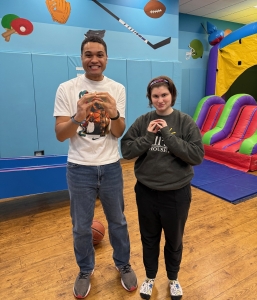
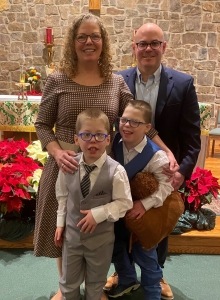 We’re Marci and Steve, parents to two incredible boys—Isaac (10) and Jacob (7). Both of our sons have complex medical needs. Isaac has Down syndrome and autism, and Jacob has Prader-Willi syndrome and autism. As we sometimes joke, our family could fill a “diagnosis bingo card”—but humor is one of the ways we keep ourselves going.
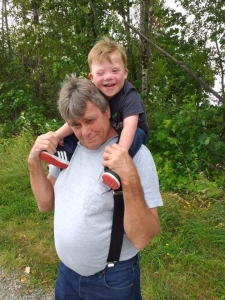 Jaxon’s start was anything but easy. He caught Respiratory Syncytial Virus (RSV) shortly after he was born and spent about three months in the hospital. Doctors discovered holes in his heart, and at four months he had open-heart surgery. They warned us that his recovery could be prolonged because kids with Down syndrome often have low muscle tone. But within a week, he was back to being his wild little self.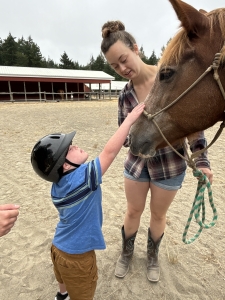
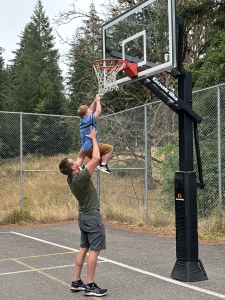 When I pick Jaxon up from Jill’s House, sometimes he tells me to “go home” because he doesn’t want to leave. That secretly makes me happy. He usually falls asleep about ten minutes into the drive home, completely worn out in the best way.
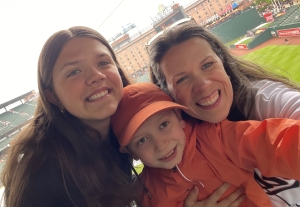 I’m Kara, a single mom to two incredible kids: Eva, 15, who is a driven, compassionate big sister, and Johnny, 13, who is quite simply the center of our universe. Johnny is funny, loving, endlessly energetic, and almost always dressed in orange, his signature color. Around our house, we joke that it’s Johnny’s world and the rest of us just live in it—and, honestly, that’s pretty accurate.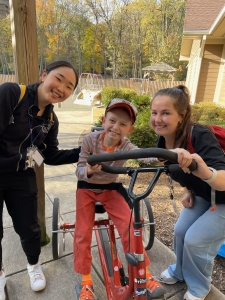
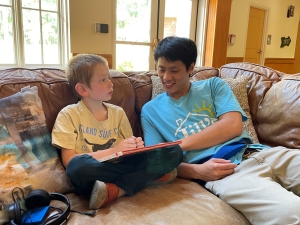 Jill’s House has also provided me with community. Through parent support groups and retreats, I’ve found friends who understand without explanation—people who celebrate small victories and share in difficult moments. They’ve become our people, our family.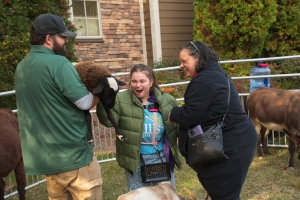
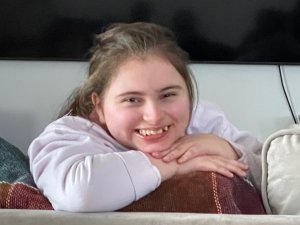
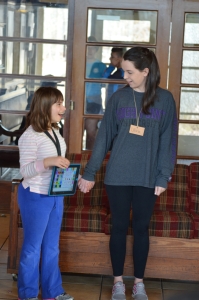 Elena loved her weekends at Jill’s House in Tysons and later experienced camp weekends at Blue Ridge, where she thrived being outdoors. Blue Ridge was her happy place—smaller, quieter, and full of exciting experiences like hayrides and visits from therapy dogs. She especially loved seeing the horses (from a safe distance—they’re a little too big for her taste!) and spending time with staff who shared her excitement and energy. She felt completely at home there.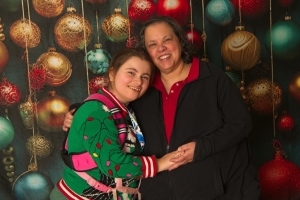
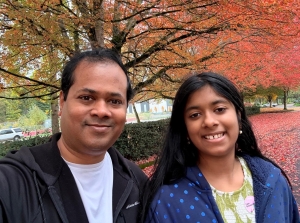
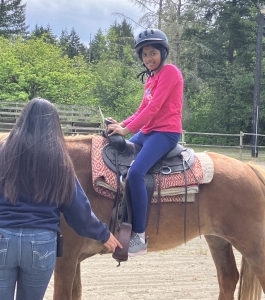
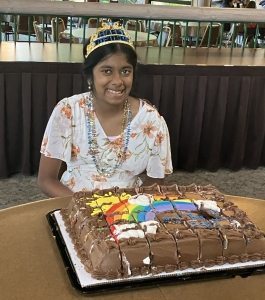 Last September, Esha celebrated her 13th birthday at camp. I asked if I could send a cake and treats, and the staff said yes. They celebrated with her and sent me photos. When I showed her the pictures later, she smiled so big. Usually we celebrate birthdays at home, but this one was special—her “camp birthday.”