The Adkins Family
Told by Lacie (Mom)
When I pick Jaxon up from Jill’s House, sometimes he tells me to “go home” because he doesn’t want to leave.
From the very beginning, Jaxon’s life has felt like a whirlwind.
Right before he was born, my brother passed away. Then, after Jaxon arrived, we received an after-birth diagnosis of Down syndrome. Doctor after doctor told us they were sorry. But there was one doctor who said something I will never forget: “These babies are born to families who can give them a whole lot of love.” I never forget her words.
 Jaxon’s start was anything but easy. He caught Respiratory Syncytial Virus (RSV) shortly after he was born and spent about three months in the hospital. Doctors discovered holes in his heart, and at four months he had open-heart surgery. They warned us that his recovery could be prolonged because kids with Down syndrome often have low muscle tone. But within a week, he was back to being his wild little self.
We call him “Action Jaxon” because he is constantly on the move. He’s nine now and full of energy. He loves basketball, swimming, horseback riding, collecting eggs at my parents’ chicken coop, and anything outdoors. He also has Attention-Deficit/Hyperactivity Disorder (ADHD), so a lot of our life revolves around maintaining routines and helping him navigate overstimulation.
My husband and I both work full-time, and we have an older son, Sammy, who is five years older than Jaxon. Sammy is an amazing big brother, but—I’ll be honest—much of our attention naturally goes to Jaxon. For years, we had no respite options available. There are no childcare options for him where we live. I called everywhere and came up empty.
Then I found Jill’s House.
I don’t even remember how I found Jill’s House—maybe a Google search—but I reached out, and they instantly responded that they could accept Jaxon. I was so nervous about his first visit. At that time, he had a tendency to elope, and his behaviors were more elevated. I barely slept that first weekend, because I was sure I’d get a call.
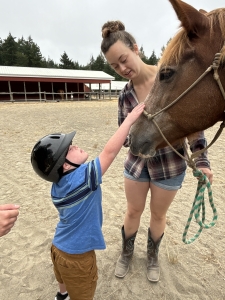
But I didn’t. Instead, they told me he did great.
That first visit, I was able to take Sammy to a movie and just spend time with him. We rarely get true one-on-one time together. When Jaxon isn’t having a good day and gets overstimulated, we sometimes have to leave outings early. So having that uninterrupted time with Sammy meant everything.
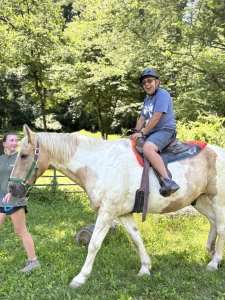
Now Jill’s House weekends are part of our rhythm. When I tell Jaxon he gets to go to “camp,” he gets so excited. He tries to pack everything he owns into his suitcase, and I have to secretly edit it down. He especially loves the horses. He’s been obsessed with horses for years, and now he gets to brush them—and recently, he even rode one. He also loves basketball and seeing his favorite Jill’s House buddy when he arrives.
Meanwhile, at home, we get something we don’t often have: rest. We do things Sammy loves, like escape rooms or arcades. Sometimes we just stay home and binge-watch a show. And I sleep. I still keep my phone next to me, just in case. But I sleep through the night now.
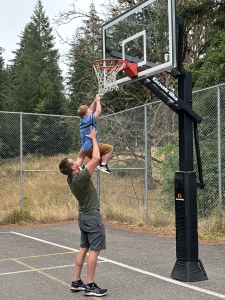 When I pick Jaxon up from Jill’s House, sometimes he tells me to “go home” because he doesn’t want to leave. That secretly makes me happy. He usually falls asleep about ten minutes into the drive home, completely worn out in the best way.
Jill’s House has truly been our saving grace. We don’t have other resources where we live. Knowing there’s a place where Jaxon is loved like he’s their own child gives us peace I can’t describe.
If another parent asked me whether they should try Jill’s House, I would say: Just do it. If you’re going to trust your child anywhere, this is the place.
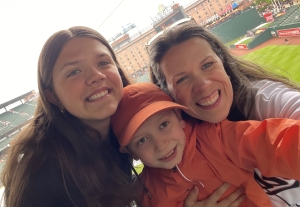 I’m Kara, a single mom to two incredible kids: Eva, 15, who is a driven, compassionate big sister, and Johnny, 13, who is quite simply the center of our universe. Johnny is funny, loving, endlessly energetic, and almost always dressed in orange, his signature color. Around our house, we joke that it’s Johnny’s world and the rest of us just live in it—and, honestly, that’s pretty accurate.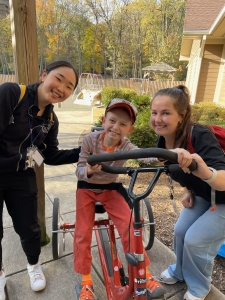
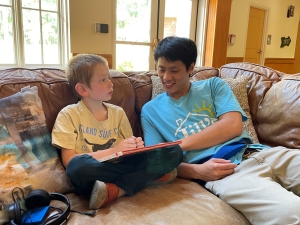 Jill’s House has also provided me with community. Through parent support groups and retreats, I’ve found friends who understand without explanation—people who celebrate small victories and share in difficult moments. They’ve become our people, our family.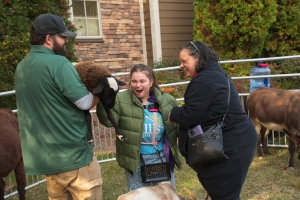
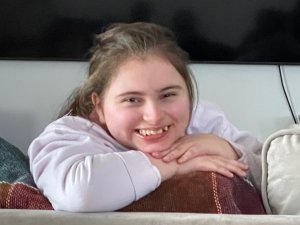
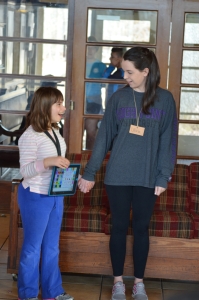 Elena loved her weekends at Jill’s House in Tysons and later experienced camp weekends at Blue Ridge, where she thrived being outdoors. Blue Ridge was her happy place—smaller, quieter, and full of exciting experiences like hayrides and visits from therapy dogs. She especially loved seeing the horses (from a safe distance—they’re a little too big for her taste!) and spending time with staff who shared her excitement and energy. She felt completely at home there.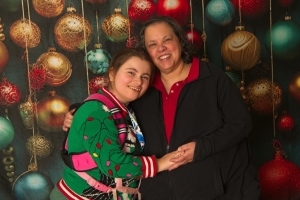

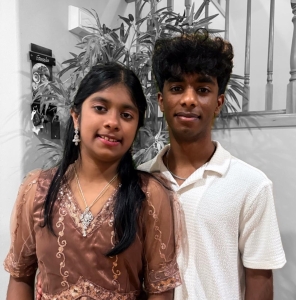
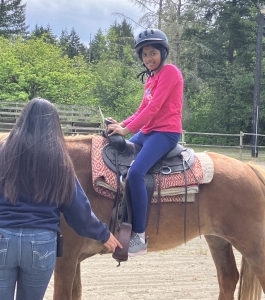
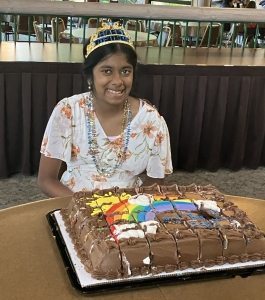 Last September, Esha celebrated her 13th birthday at camp. I asked if I could send a cake and treats, and the staff said yes. They celebrated with her and sent me photos. When I showed her the pictures later, she smiled so big. Usually we celebrate birthdays at home, but this one was special—her “camp birthday.”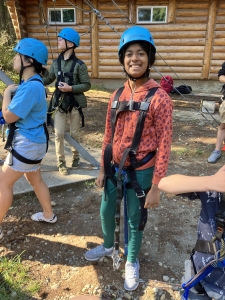

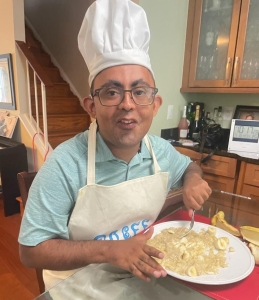
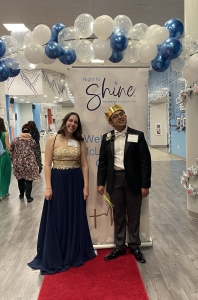
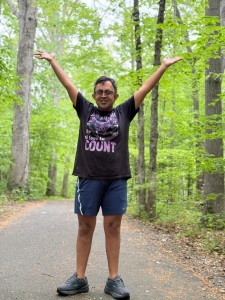

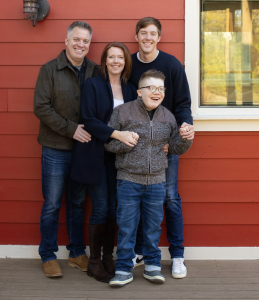 Alex has both intellectual and physical disabilities. He is medically complex and nonverbal, and he keeps us on our toes every single day. But more than anything, he is a joy and light of my life. His smile can brighten a room and his spirit is full of love.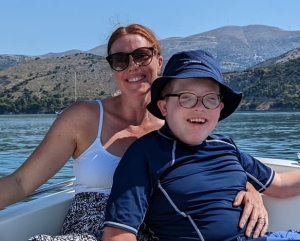
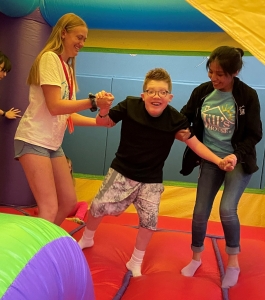 From the very first visit Alex’s favorite thing at Jill’s House has been the bounce house. In fact, he loves it so much that his sign for Jill’s House is “jump.” He also loves playing basketball in the gym and coloring with the staff in the art room.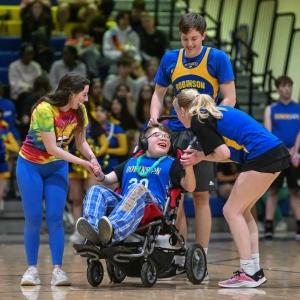
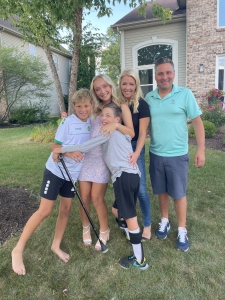 Our family is big, active, and social—exactly how we like it. There are five of us: my husband Joe and me, our daughter Gianna, and our twin boys, Vinny and Carmine. On summer evenings, we often cuddle in the backyard, with family and friends over for movie nights. We’re also huge soccer fans (Arsenal fans through and through), passionately following every match. We love being outdoors, soaking up the sun with good company.
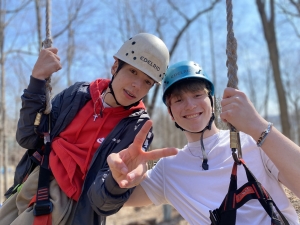 From his very first weekend, Carmine dove right in—with no hesitation. As soon as we pulled into the lot, we were greeted warmly by the camp directors and counselors, who helped him get settled. Before we knew it, he was off. That made it so much easier on us, because we’ve always tried to follow his lead when it comes to new experiences.
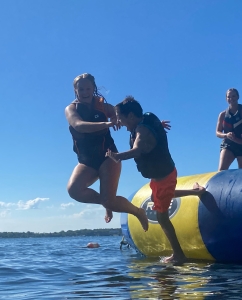 For us, the weekends when Carmine is away are both respite and a gift of opportunity. Two nights of sleepovers might sound simple, but for families like ours, it’s priceless. Knowing he’s somewhere safe, understood, and completely himself gives us peace of mind. It also lets us spend uninterrupted time with Gianna and Vinny, go out with friends or just breathe for a moment.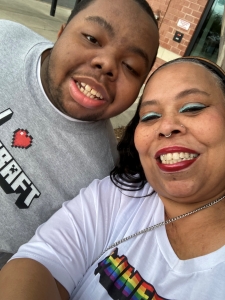
 My name is Teresa Mickles, and my son, JoJo—well, Rodney Jolyn Bass, but we call him JoJo at home—has been going to Jill’s House for almost 10 years. He’s 16 now, and let me tell you, Jill’s House has been one of the biggest blessings in our lives.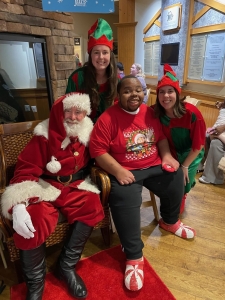
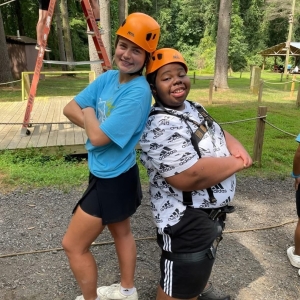
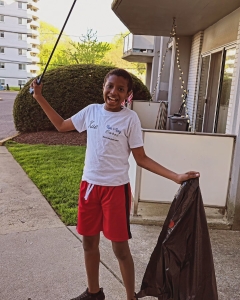 One of the biggest blessings we’ve encountered is Jill’s House. We heard about it through a friend and decided to give it a try, even though it’s over two hours away. From that very first visit, Kaelen loved it. He especially enjoys the pool, gym, and making new friends with his “buddies.”